Most people are surprised by how little downtime follows botox injections. You can walk out of a botox appointment and head back to work, pick up your kids, or make dinner. Still, there is a real recovery arc, and your choices in the first 48 hours influence how the product settles and how your results look at day 14. I have guided hundreds of patients through their first botox treatment and their hundredth, and the same principles hold true: plan your day, respect the early healing window, and know what is normal so you do not panic over every red dot or eyebrow twitch.
Below, I map out the botox recovery timeline day by day with practical tips, explain what to expect for different areas like the forehead and masseters, and share when to call your botox provider. I also cover common questions about botox side effects, maintenance, and the differences between baby botox and full-dose treatments. If you are new to cosmetic botox or considering medical botox for migraines or excessive sweating, the same safety basics apply.
What botox actually does in your face
Botox cosmetic is the brand name most people use for onabotulinumtoxinA, a purified neurotoxin that temporarily relaxes targeted muscles. When we do botox face injections for frown lines or crow’s feet, the product blocks the nerve signal that tells those muscles to contract. Less contraction means smoother skin over time. The effect is not immediate. The toxin has to bind to the nerve ending, and the muscle relaxation ramps up gradually. Expect first changes around day 3, a strong effect between days 7 and 10, and full results by day 14.
The same principle applies to medical botox therapy. For chronic migraines, botox injections across the scalp, neck, and shoulders reduce muscle tension and nerve signaling linked to headache pathways. For hyperhidrosis, botox shots into the underarms or palms reduce sweating by blocking acetylcholine release to sweat glands. In each case, the onset and durability follow a similar timeline.
A realistic recovery timeline, from chair to check-in
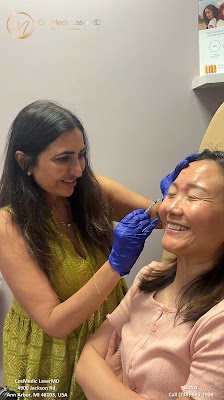
The botox procedure itself is quick. After a botox consultation, we review your goals, photograph baseline expression lines, clean the skin, and map injection points. A typical cosmetic botox appointment takes 15 to 30 minutes. You will feel a series of tiny pinches. If we are doing baby botox or preventative botox, we might use fewer units spread out more widely, which reduces heaviness and gives a softer look.
Here is how the hours and days after botox usually unfold.
Minutes to hours after your botox shots
Expect small raised bumps at each injection site. They look like mosquito bites and settle within 15 to 30 minutes as the saline dilutes into the tissue. Mild redness or a pinpoint spot of bleeding is normal. A light pulsing or a sense of “fullness” in the area can last for a couple of hours. Most patients go right back to daily life.
This is the window when careful behavior pays off. The product is still dispersing in the superficial muscle layer. You want it to stay where your botox doctor put it, not migrate into a neighboring muscle. That is why we ask you to avoid heavy pressure and certain activities for the rest of the day.
The first 24 hours
You may have a slight headache, a tender sensation at injection sites, or a faint ache when you raise your brows or squint. Bruising is possible, especially around the crow’s feet where vessels are plentiful. If you bruise easily or you are on fish oil, ginkgo, or aspirin, your chances go up. Most bruises are small, coin sized or less, and coverable with makeup the next day.
The botox itself has not kicked in yet. Your facial expressions will still feel normal, and any “frozen” look you might be worried about will not happen overnight. The number one mistake I see is people poking and pressing the area to check for changes. Resist the urge.
Days 2 to 3
This is the early-onset window. Many patients say they notice a subtle “softening” when they try to scowl or an easier forehead at rest. Some feel nothing yet, which is also normal. If you had botox for frown lines, the 11s start to look less etched when you squeeze. For crow’s feet, the outer eye crinkles less on a big smile. It is common to feel temporary tightness as stronger muscles start to relax before weaker ones, which can create a slight imbalance. This evens out as the rest of the units activate.
If you are prone to tension headaches, day 2 can bring relief. On the flip side, a small percentage of patients develop a mild pressure headache for a day or two, which usually responds to acetaminophen and hydration.
Days 4 to 7
Now the botox results are coming into focus. Most patients are in the sweet spot of visible smoothing without heaviness. Eyebrows sit a touch higher if we designed a botox brow lift by softening the downward pull of the glabellar complex and letting the forehead elevator shine. If we treated the upper lip for a botox lip flip, you will see a slight outward turn at rest and more tooth show when smiling, yet it should still feel natural.
This is also when any small bruises fade into yellow and green. Dryness or mild itch at injection points can linger but should be modest. If you see obvious asymmetry at day 7, such as one brow higher than the other or one side of the forehead still strong, flag it for your botox follow up. Small touch ups are common, and good clinics build them into the plan.
Days 10 to 14
Full effect. Your botox wrinkle injections have fully modulated the treated muscles. This is the right moment for botox before and after photos. At rest, the skin looks calmer. On expression, lines are softer and shorter. Deep static lines carved over years will not vanish in one round, but they often look less sharp. For patients using preventative botox in their late 20s or early 30s, keeping motion moderated prevents those lines from stamping into permanent creases.
Most botox providers schedule a check around this time, especially for first time botox. If you need a botox touch up, we add a few units strategically. Small tweaks at day 14 often extend satisfaction over the full cycle.
Weeks 3 to 12
This is the plateau. Your face adapts to the new movement pattern. Colleagues will tell you that you look rested, not that you look “done.” This is the goal for natural botox and subtle botox approaches. For masseter botox to slim the jaw, chewing feels less intense by week 3, and some patients notice less jaw clenching at night. Visible facial slimming builds slowly as the muscle reduces in bulk, peaking around 6 to 8 weeks.
By week 10 to 12, you may start to feel a hint of movement return. That is the early signal of wearing off, which brings us to maintenance.
Months 3 to 6
The effect fades gradually, not all at once. How long botox lasts depends on dose, metabolism, muscle strength, and your treatment area. Foreheads often hold 3 to 4 months. Crow’s feet can be similar. Masseter botox lasts longer, commonly 4 to 6 months. If you exercise intensely or have a fast metabolism, you might be on the shorter end of these ranges. Medical botox for migraines follows its own protocol, often 12 weeks between visits.
A smart maintenance plan anticipates the fade. Rather than waiting until everything is fully back, most patients schedule their next botox appointment in the 3 to 4 month window, or 4 to 6 months for jaw slimming.
The first 48 hours: small choices that matter
If you only remember one section, make it this one. The early window is where you can help your results and reduce botox side effects.
- Keep your head upright for four hours after your botox injections. Skip bending low to tie shoes, long naps face down, or massage chairs that put pressure on the forehead. Gravity is not the sole factor in migration risk, but minimizing pressure is prudent. Avoid vigorous exercise for the rest of the day. Elevated blood flow and heat can worsen bruising and swelling. A gentle walk is fine. Save hot yoga, saunas, and long runs for the next day. No rubbing or facials over treated areas for 24 hours. This includes tools like gua sha, microcurrent, suction devices, and firm makeup application. Wash your face with light fingertip pressure. Skip alcohol the first evening. Alcohol dilates vessels and can worsen bruising. If you forgot and had a glass of wine, it is not catastrophic, but best to avoid. Use a cool compress if you see swelling, 10 minutes on and off, and stick to acetaminophen for discomfort. Anti-inflammatories like ibuprofen can increase bruising around the eyes when taken immediately before or after injections.
These guidelines also apply to botox facial treatment for crow’s feet and a botox brow lift. For a botox lip flip, take extra care not to press on the upper lip, avoid sipping through straws the first few hours, and do not vigorously scrub or exfoliate that area for a day.
What is normal, what is not
Normal after a botox procedure: mild redness, tiny bumps for up to 30 minutes, pinpoint scabs at entry sites, light aching, a headache within 24 hours, small bruises, and a gradual onset of effect over 3 to 7 days. A sense that one brow is slightly higher during days 4 to 7 can happen, particularly if you have a strong dominant side; we often refine this at follow up with one to three units.
Less common but still seen: eyelid heaviness or brow heaviness if the forehead was overtreated or if your baseline brow position is low. This usually improves as the botox begins to wear off over weeks. Some patients report temporary twitching around the eyes as neighboring fibers adapt.
Call your botox clinic if you develop unusual symptoms, such as significant eyelid droop that affects vision, trouble swallowing after neck treatment, progressive weakness distant from the injection site, hives, or widespread rash. These are rare, but a good botox provider will respond quickly and guide you. If you ever feel short of breath, seek urgent care.
Area by area: timelines and quirks
Forehead and frown lines: The most common botox wrinkle treatment targets the glabella (between the brows) and the horizontal forehead lines. The glabella usually kicks in first, often by day 3. The forehead follows by day 5 to 7. If we protect a natural brow arch, we keep some forehead activity and dose conservatively, especially if you are new or if your eyelids are heavier. A heavy handed approach here causes that “flat” look people fear. Thoughtful dosing allows you to emote and keeps the brow lifted.
Crow’s feet: The skin is thin, blood vessels are plentiful, and smiles are strong. Expect slightly higher odds of small bruises. Onset is usually day 3 to 5. We watch for smile asymmetry and adjust at follow up if needed.
Brow lift: By relaxing the depressors around the brow tail and between the brows, we let the forehead elevator win. The brow lift effect blossoms around day 7 to 10. If you want a touch more lift later, a tiny add on at the outer brow can help, but overdoing it risks spocking, where the brow tail kicks up too sharply.
Lip flip: Very small units along the vermilion border soften upper lip tuck and give the illusion of more pout. Onset is quick, often day 3. You might notice slight changes when sipping or pronouncing “p” and “b” sounds early on. That settles as you adapt. If you need more volume rather than a roll outward, fillers are better; lip flip does not add bulk.
Masseter botox for jaw slimming: This is a different timeline. Chewing force eases within 1 to 2 weeks, but visible slimming takes 4 to 8 weeks. If you grind your teeth, night comfort often improves. Plan meals that are easier to chew for the first few days if we used higher doses.
Neck and platysmal bands: Smoother bands appear over 1 to 2 weeks. With the neck, we keep activity restrictions the first day and avoid deep massage for a week. Voice changes are uncommon, but if you are a singer or public speaker, disclose that during your botox consultation so we dose conservatively.
Medical botox for migraines or excessive sweating: Onset for migraine relief can be as early as one week, with full effect by 4 to 6 weeks. For underarm sweating, dryness often starts within days and peaks by two weeks. Hand and foot treatments can be tender; plan work and workouts accordingly for a day or two.
Managing bruising and swelling with common sense
Bruising happens. Even with a meticulous technique, you can nick a capillary. What helps most is timing and restraint. If you have an important event, schedule botox at least two weeks ahead so any bruise has time to resolve. If you must get treated closer to a deadline, bring a reliable concealer, not a new product you have never used. Arnica creams can help some people feel better, though evidence is mixed. Ice reduces swelling more reliably than topical creams.
For patients on blood thinners under medical guidance, do not stop your medication without clearance. Let your botox specialist know, and we adjust technique and expectations. For supplements, pausing fish oil, high dose vitamin E, ginkgo, and garlic pills for a week before injections can reduce bruising risk. Hydration and a low sodium diet the day of treatment reduce puffiness.
How to pick a botox provider who shepherds recovery well
Great outcomes depend on more than the syringe. You want a botox clinic that prioritizes assessment, not volume. The botox doctor or trained injector should ask about your muscle patterns, brow position, history of eyelid droop, and any medical botox you have had. They should explain how botox works, map injection points with you in a mirror, and outline the recovery plan clearly. Aftercare should include a direct line for questions and a botox follow up window around day 14.
Price matters, but the lowest botox pricing is not always the best value. Watch for botox deals or botox specials that advertise rock-bottom botox cost without clarity on units or injector training. Honest botox packages specify the number of units, brand, and qualifications. If you are searching “botox near me,” read reviews for comments on aftercare responsiveness. A small tweak at the two week mark is part of good service.
Baby botox, preventative botox, and natural results
There is a reason these approaches have traction. Baby botox uses smaller doses to dial down movement without shutting it off. Preventative botox starts earlier, often late 20s to early 30s, to stop repetitive creasing before lines carve in. Natural botox is less about a specific number and more about a philosophy: respect facial identity, balance antagonistic muscle groups, and accept that a trace of motion keeps you looking like you.
Recovery is the same, but the onset feels lighter. Many patients prefer the way this wears off, with less of a cliff at month three. The trade off is that lines may not smooth as dramatically if they are already deep, and you may need more frequent maintenance.
Botox vs fillers during the same visit
You can pair botox cosmetic injections with fillers, but planning matters. For the upper face, botox first often makes sense, then reassess lines or volume two weeks later. Smoothing muscle movement can reduce how much filler you need. Around the mouth, the order depends on goals. If you do both in one session, expect more swelling and a slightly more complex recovery. If you are risk averse, stagger them.
Safety basics and when to seek care
Is botox safe? In qualified hands, botox aesthetic injections and botox medical treatment have a strong safety record built over decades. The most common botox risks are minor: bruising, headache, temporary asymmetry, and short lived heaviness. Rare risks include eyelid ptosis, which usually botox improves as the product fades, and allergic reactions. Choosing a trained injector, sharing your medical history, and following aftercare reduces these risks.
Call your provider if you experience pronounced eyelid droop, vision changes, significant difficulty swallowing after neck treatment, or widespread weakness. These are uncommon, but attention matters. For mild side effects that worry you, such as a headache that lingers past 48 hours or bruising that looks unusual, send a photo. A good clinic will tell you if it is expected or if they want to see you.
Maintenance: staying ahead of the fade
Plan your next visit based on area and goals. For forehead, frown lines, and crow’s feet, three to four months is typical. For masseter botox, four to six months. For a lip flip, two to three months. If budget is a concern, prioritize the area that bothers you most, then rotate. Many patients set quarterly reminders, which keeps botox maintenance smooth and reduces the need for stopgap touch ups.
Your face changes with time, stress, and hormones. Reassess at each session. If your workout routine ramped up and your botox does not last as long, we might adjust dose or placement. If you prefer softer motion, we can switch to baby botox. If deep static lines persist even with excellent muscle control, pairing botox with skin treatments such as microneedling, lasers, or a conservative filler plan improves results.
Cost, specials, and value without compromise
Botox cost varies by region, injector experience, and brand. Clinics price by unit or by area. Per-unit pricing is more transparent, because faces vary. Beware of botox discounts that obscure how many units you will receive. Ask directly: which product is used, how many units are recommended, what does a touch up include, and who is injecting me. A fair botox pricing model accounts for follow up care. Real value comes from precise dosing, minimal downtime, and results you truly like.
A brief case example
A 42-year-old woman came in with horizontal forehead lines, strong frown lines, and early crow’s feet. She wanted natural botox that softened lines without freezing. We discussed her brow position, which was on the lower side, and agreed to keep the forehead dose conservative to avoid heaviness, while controlling the glabella a bit more. She had mild bruising at one temple, covered easily with concealer. She followed aftercare, avoided a hot yoga class that evening, and noticed the first changes at day 4. At day 14, photos showed smoother skin with full brow mobility on expression. We added two units above the right brow to balance a subtle lift difference. Her results held for four months. The second session used the same plan, and her static lines looked even lighter because she spent those months creasing less.
Your personal plan for a smooth recovery
Every face moves differently, and good botox services tailor dose and placement. Your job in recovery is simple: avoid pressure and heat the first day, watch for normal signs versus red flags, and keep your follow up. The rest is patience while the product does its quiet work.
Here is a compact checklist that many of my patients save on their phones before botox:
- Stay upright for four hours, skip intense exercise, saunas, and hot yoga for the day. Do not rub, massage, or press the treated areas for 24 hours, including facial tools. Use cool compresses for swelling and acetaminophen for discomfort, skip alcohol the first evening. Expect results to start around day 3 and settle by day 14; schedule your follow up then. Reach out to your provider for unusual symptoms, or if asymmetry persists beyond two weeks.
With realistic expectations and a steady hand guiding your treatment, botox aesthetic treatment can be one of the most reliable, low-drama ways to soften expression lines, lift a heavy brow, slim a tense jaw, or manage migraines and excessive sweating. The recovery is measured in hours and days, not weeks. Respect those first 48 hours, and the rest of the month will reward you with results that look like you on a bright, well-rested day.